Showing posts with label samsung. Show all posts

Samsung Galaxy S9 and S9 Plus full Specification, Price and Features.

Galaxy S9 and S9+ don’t represent a sea change. Rather, they’re an affirmation of success. Everything that made the Galaxy S8 and S8+ great phones is still to be found here. Wireless charging, Samsung Pay, headphone jacks, brilliant displays, extremely refined industrial design, and IP68 waterproofing make these phones extremely feature-rich.


Samsung impressed the world by putting variable aperture on a phone. However, it also has the first mover's disadvantage here. It seems to me that the company's algorithms aren't perfectly tuned to changing aperture yet, causing the washed out images.

At least let us remap the Bixby key, Samsung. Also die, Bixby, die. the S9+, the second camera module plays a role here, too, but even the smaller S9 is half a millimeter thicker and 8 grams heavier than the Galaxy S8.

  • Display :-

Galaxy S9 Plus 6.2-inch Super AMOLED display that impresses no matter what you use it for. It feels premium, colours pop and refresh rate is high. There's really nothing to complain about. It can take on any of the top-end flagships today, and barring the iPhone X, there's nothing out there that could compete against the S9 Plus.


Samsung used Gorilla Glass 5 for the body this time and the S9 Plus is heavier than both the S8 Plus and Note 8. The extra weight is possibly a result of a heavier aluminium chassis on this device. It's just enough to be reassuring, but not enough for the phone to feel unwieldy. Samsung is following the "if it ain't broke, don't fix it" philosophy here, and it's hard to argue against.

Exynos chipsets is essentially the same as that between Qualcomm's offerings during this time. The Exynos 9810 that runs on the Galaxy S9 Plus is as capable as any flagship-class chipset should be. Galaxy S9 Plus is smooth and lag-free. It is sure to slow down over time, just like any Android phone will, including the Pixel 2 XL.

  • Camera :-

The Galaxy S9 Plus can shoot 960fps slow motion video.I almost never used. In fact, the only reason I even tried it because I had to write this review. That said, super slow motion video might find use in certain niche use-cases. What you must know is that the Galaxy S9 Plus has to be quite stable for this to work, so a tripod is recommended. A moving car, low light, while walking etc. are not the perfect situations for shooting super slow motion videos.


S9 camera F/1.5 is the widest aperture we've seen on a smartphone yet. The Galaxy S9 compliments that by allowing a toggle for smaller F/2.4 aperture. On the auto mode, the camera will switch between 1.5 and 2.4 on its own volition. If you want to actually see the aperture change, you can switch to the Pro mode and hit the aperture toggle. You will see the blades close in on the primary lens when shifting to the narrower aperture. What the Galaxy S9 Plus can't do is manage transitions across these apertures. You either have f/1.5 or f/2.4, which theoretically speaking, is still a big deal.

Samsung admits that this new feature is all about having "fun" with the Galaxy S9 Plus. Switching to AR Emoji mode on the camera app allows you to take a selfie and convert it into a cartoon character. The character the phone creates will almost never look like you, which is where the fun element comes in. What AR Emoji seems to do is create a more exaggerated version of the expression on your face.

  • Battery:-

The Galaxy S9+ offers the same 3500mAh of battery capacity as the outgoing S8+. While the new Snapdragon 845 chipset is supposed. S9 Plus without games or other heavy use cases, it lasts for 14-16 hours quite easily. However, with the screen turned to auto and heavy gaming during the day, the battery life fell to between 12-14 hours. That's up to flagship standards and makes the Galaxy S9 Plus dependable enough.

  • Sensors :- 

Apple may be trying to kill fingerprint sensors, but Samsung's not buying it. The fingerprint placement here has changed too, thankfully. It's easier to get used to, though it's still tough to discern sometimes.


Samsung also improved the iris scanner this year, using both the IR sensors and an RGB photo of your face to unlock. The Iris scanner is more usable now, but it's far from being perfect. It still stutters in low light and is slow and unintuitive.

Samsung Galaxy A8 (2018) leak, Infinity Display, dual selfie cameras and slim bezels

Samsung will soon be updating its Galaxy A series smartphones. The lineup is expected to consist of the 2018 iteration of the Galaxy A3, Galaxy A5, and Galaxy A7. Samsung is also rumored to launch the Galaxy A8 (2018), which would be the high-end model in the series. The smartphone’s alleged design has been leaked now which shows a Galaxy S8-like Infinity Display.


Galaxy A8 (2018) has been leaked in pictures which show off a thin-bezel display. This means, that the smartphone will most likely ship with a near edge-to-edge Infinity screen much like this year's flagship phones Galaxy S8 and the Galaxy S8+, and also the Galaxy Note 8. 

This compared to the phone's successor is much improved and enhanced in terms of design. The Samsung touchscreen display with a resolution of 1080 pixels by 1920 pixels.

Galaxy A5 (2018) and Galaxy A7 (2018), the smartphones are expected to feature a 5.5-inch and 6-inch full HD Infinity display, respectively. The smartphones could be powered by in-house Exynos 7885 SoC or Qualcomm’s Snapdragon 660 paired with 4GB of RAM. 

The smartphone has very thin bezels on top and bottom and almost none on the sides. The display also appears to be curved like the Galaxy S8. What’s striking is the dual-camera setup located on the top chin of the smartphone. Samsung only recently introduced the dual-camera setup on the Galaxy Note 8, and a dual-selfie camera module seems very unlikely.
Connectivity, the smartphones are so far rumored to feature a 3.5mm audio jack and a USB Type-C port. Going by Samsung’s schedule, the 2018 Galaxy A series should launch by December or the beginning of 2018.

Samsung Galaxy J7+ Dual Camera Setup, Bixby Sport

Company to sport a dual rear camera setup and going by recent reports it looks like the company is working on its second smartphone with dual cameras. Samsung has appears to have confirmed a Galaxy J7+ mid-range smartphone is in the works that will sport a dual camera setup and the Bixby assistant, among other things, according to a report out of Thailand.


Galaxy J7+  feature a vertical dual camera setup on the back comprising of a 13-megapixel camera with f/1.7 aperture and a 5-megapixel camera with f/1.9 aperture. Samsung will reportedly also be bringing the Galaxy Note 8's Live Focus feature to the Galaxy J7+ for Bokeh shots. The front will see a 16-megapixel camera with f/1.9 aperture.

Samsung Galaxy J7+ will feature a metal unibody design similar to the Galaxy J7 (2017). However, going by the images posted, the Galaxy J7+ looks to feature straight antenna lines on the back rather than the curved ones seen on Galaxy J7. It will run on Android 7.1.1 Nougat and will sport a 5.5-inch full-HD (1080x1920 pixels) Super AMOLED display. The handset will be powered by a octa-core processor with 4GB of RAM. It will be offered with 32GB of internal storage, which will be expandable up to 256GB.


The Galaxy J7+ will also support Samsung's virtual assistant Bixby, a fingerprint sensor likely embedded in the home button, and facial recognition. The upcoming smartphone will support dual-SIM and will pack a 3000mAh battery.
Samsung Galaxy J7+ will be launched, but the report mentions that it will be available in Black, Gold, and Pink colour options when it launches in Thailand.

Samsung Galaxy On Max Sale in India : Price, Specifications

Samsung Galaxy On Max, recently launched new camera-centric phablet from the South Korean consumer electronics giant, will go on sale for the first time in India on Monday. The smartphone will go on sale via exclusive retail partner Flipkart from 11:59pm IST.


The Galaxy On Max, supports Samsung Pay Mini, is almost identical to the recently launched Samsung Galaxy J7 Max, which was made available via offline retail stores and the Samsung India site with a price of Rs. 17,900. The primary difference between the Samsung Galaxy J7 Max and the Samsung Galaxy On Max is in the processor. The former bears a MediaTek Helio P20 SoC, while the latter bears a MediaTek Helio P25 Lite SoC.

  • Samsung On Max price in India

Galaxy On Max price in India is Rs. 16,900, while the smartphone will be available in Black and Gold colour variants in the country. Launch offer includes a Rs. 2,000 discount for buyers using Standard Chartered credit and debit cards. At its price, the smartphone compares with the Oppo F3, Moto G5 Plus, Oppo F1s, Honor 8, Honor 8 Lite, and even the Samsung Galaxy J7 Prime.

  • Galaxy On Max specifications

The dual-SIM Samsung Galaxy On Max runs Android 7.0 Nougat, and sports a 5.7-inch full-HD display. The smartphone is powered by an octa-core MediaTek MTK P25 SoC coupled with 4GB of RAM.

The cameras on the Samsung Galaxy On - the smartphone bears 13-megapixel sensors and LED flash modules both on the front and back. The front sensor is coupled with a f/1.9 aperture lens, while the rear sensor is coupled with a f/1.7 aperture lens, which the company claims provide great low-light performance.


The smartphone bears 32GB of inbuilt storage that's expandable via microSD card (up to 256GB). For connectivity options, the smartphone offers 4G VoLTE, alongside Wi-Fi, Bluetooth, a 3.5mm audio jack, and a Micro-USB port. It weighs 178 grams and measures 156.6x78.7x8.1mm. It is powered by a 3300mAh battery.

  • On Max features

The Galaxy On Max sports a fingerprint sensor on the home button. It also supports Samsung Pay Mini, which was launched in India last month alongside the Samsung Galaxy J7 Pro and Galaxy J7 Max. It supports UPI-based payments and integrates a mobile wallet, but forgoes the NFC and MST-powered offline tap-to-pay features that essentially replace debit and credit cards.

Samsung is also touting the Social Camera Mode on the Samsung Galaxy On Max - the feature is supposed to provide instant sharing options to users, letting them pin their favourite social media contacts for quick sharing. The company says the Social Camera Mode also lets users utilise live stickers.


Samsung Galaxy Note 8 Specifications and other detail

Samsung Galaxy Note 8 is still months away, but that doesn’t stop leaks from occurring. Fresh leaks today give out specification details of the Galaxy Note 8 flagship, revealing battery size, RAM, processor, and even multiple storage variants.


Specification & Design

The specification information comes from Weibo tipster Ice Universe, who cites South Korean media to claim that the Samsung Galaxy Note 8 will sport a 6.3-inch Super AMOLED display with 2K resolution and 18.5:9 aspect ratio. 


The Exynos 8895 processor or the Qualcomm Snapdragon 835 processor depending on the regions. There also expected to be a 6GB of RAM included, and another leak from website Osen claims that the smartphone will sport 64GB and 128GB of storage. 

The Samsung Galaxy Note 8 will sport a dual 12-megapixel camera setup with OIS capabilities built-in. The smartphone may pack a 3300mAh battery, and will come with support for S Pen and DeX. Lastly, the tipster claims that the smartphone will come in Black, Blue, and Gold colour variants. 

This is in accordance with what has been leaked earlier about the device. The tip about two storage variants is new, and it will be an added bonus for users to make a choice from. vailable in Black, Blue, and Gold colour options. Of course, the information need to be taken with a pinch of salt given there’s no official confirmation.


Confirmed design details of the Samsung Galaxy Note 8, and it is expected to sport the fingerprint scanner at the back, beside the dual camera setup. It is expected to sport an Infinity Display, and come with a glass back as well. 

The report quotes Samsung Electronics official, who told the site that Galaxy Note 8 could cost $1000 to $1100 depending on markets. As per a recent news report, the South Korean company might launch the smartphone in late September at a price tag of EUR 999 (roughly Rs. 72,100).

Samsung Galaxy J7 Pro vs Galaxy J7 Max: What the difference?

Samsung has officially unveiled the Galaxy J7 Pro and the J7 Max in India carrying attractive price tags. The Galaxy J7 Max will be available as soon as next week whereas the Galaxy J7 Pro will be sold starting mid-July.


Both handsets will be sold via offline stores in the country, and the company hasn’t shared details on online availability at the moment. It’s likely that Samsung wants to keep these handsets limited to brick-and-mortar stores in the country, which might not be a bad ploy.

  • Differences between the two handsets? 
Display

The Samsung Galaxy J7 Pro comes with a 5.5-inch Full HD (1920x1080) Super AMOLED display panel. The Galaxy J7 Max, on the other hand, comes with a larger 5.7-inch display panel with the same resolution but settles for an LCD panel instead.

Performance

The Galaxy J7 Pro comes with the octa-core 1.9 GHz Exynos 7870 processor, while the J7 Max is equipped with the octa-core 1.9 GHz Mediatek MT6757 Helio P20 chipset. Although the two processors are produced by different manufacturers, the performance should be pretty much on par since they both run on Cortex-A53 cores. 


Battery

The J7 Max is packing a 3,300mAh battery on board, whereas the J7 Pro comes with a 3,600mAh battery under the hood. Since the J7 Pro comes with a Super AMOLED display, we figure the battery performance should be significantly better. In terms of real-world performance, though, both phones should pretty much be on par.

Camera

Both phones are pretty much the same in this regard as they’re packing a 13MP f/1.7 rear camera, and a 13MP f/1.9 front camera. The two phones come with a LED flash on the front as well, much in line with modern day mid-rangers. It’s clear why Samsung is rating the camera credentials of the two phones very highly.

Other features

The Galaxy J7 Max comes with 32GB of storage and 4GB of RAM. The J7 Pro, however, comes with only 3GB of RAM but bumps up the storage to 64GB. Both phones support 
expandable storage.

Samsung new version of Samsung Pay, known as Samsung Pay Mini. This will consist of UPI and other wallets like Paytm. The company expects to bring this to all the new Galaxy J series phones starting with the Galaxy J7 Max. Both the new handsets come with a front facing fingerprint scanner.

USB Type-C port on either phone here, so customers will have to settle for the conventional micro USB port. The Galaxy J7 Pro and the J7 Max will be available in Black and Gold color variants at launch.


Pricing and availability

The Galaxy J7 Max will set you back by Rs 17,900 when it is made available via Samsung retail stores and other offline retailers on June 20.

The Galaxy J7 Pro will cost Rs 20,900 and will be available through the same retail channels as the J7 Max.

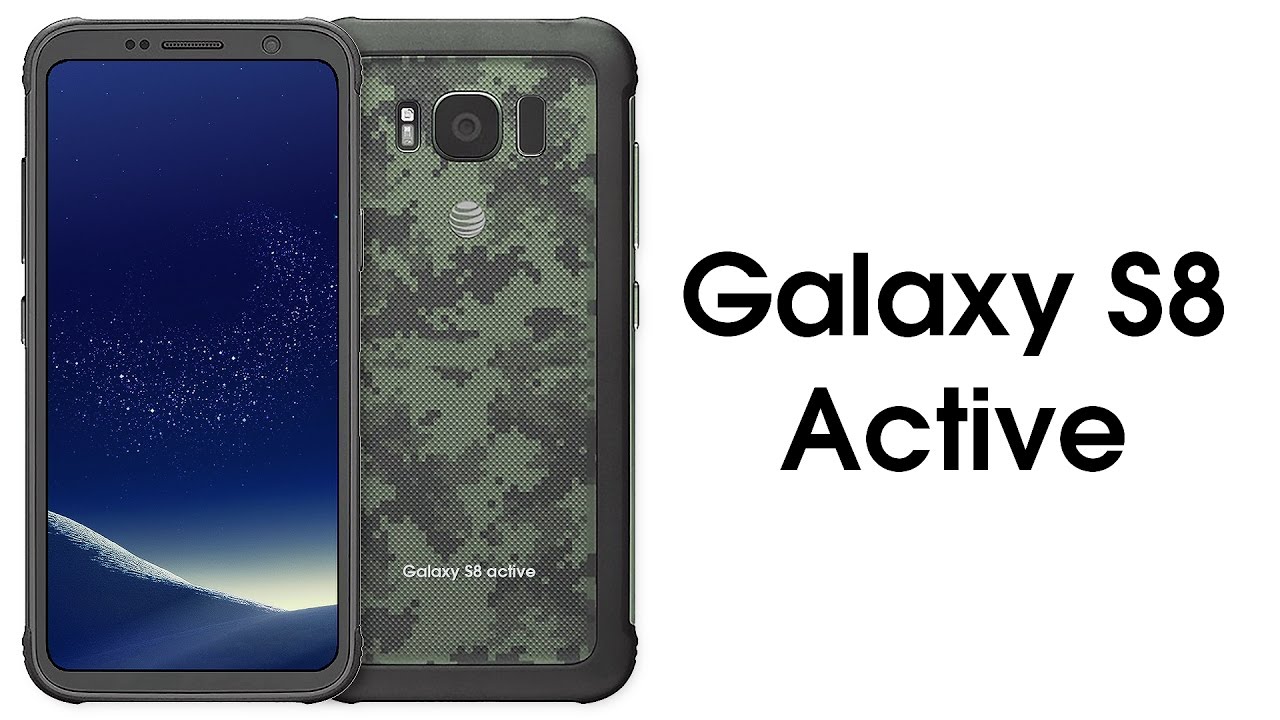
Samsung Galaxy S8 Active Specifications Leaked

Samsung has made it a point to launch a rugged version of its flagship smartphones in recent years. Galaxy S6 Active and Galaxy S7 Active of the past, the South Korean giant is tipped to launch an 'Active' version of its newest Galaxy S8 flagship phone. 

A hint of this was first spotted in May when the Galaxy S8 Active with model number SM-G892A was listed to support Netflix in HDR. 


The Samsung Galaxy S8 Active with the model number SM-G892A scored a 1842 in single-core and 6394 in the multi-core tests on Geekbench, which is fairly close to what the Galaxy S8 and Galaxy S8+ scored earlier. 

The specifications mentioned also fall in line with the recently launched flagships including an octa-core Snapdragon 835 chipset coupled with 4GB of RAM. The Galaxy S8 Active is listed running Android 7.0 Nougat

Samsung Galaxy S8 Active is expected to house a larger battery compared to the Galaxy S8 and Galaxy S8+, much like the case with the Galaxy S7 Active, which housed a 4,000mAh battery compared to the 3000mAh seen in the Galaxy S7

In terms of looks, don't expect the the 'Active' version to be as pretty as the Galaxy S8 and Galaxy S8+. The Galaxy S8 Active may lack the curved edges of the flagship and could feature a bulkier, more rugged casing for rough, outdoor use.


Galaxy S8 Active doesn't face the same water resistant issues that plagued the Galaxy S7 Active. the same waterproof standards that the company promised.

Galaxy S8 Active will hit the streets, you can expect the unveiling to be around the corner seeing as how the Galaxy S7 Active was launched around the same time last year.

Xiaomi Redmi 4 vs Lenovo K6 Power vs Moto G5 vs Samsung Galaxy J2 Ace : Compared Price, Specifications, Design

Redmi smartphone to its India portfolio - the Redmi 4. As is the tradition of Xiaomi, the Redmi 4 packs a punch with great specifications at a reasonable price point. However, the only drawback is its scarce availability due to flash sales that get over in, well, a flash.


Availability on May 23, we pit the smartphone against its competition to see how it fares. The Xiaomi Redmi 4 battles against the Moto G5, Lenovo K6 Power and Samsung Galaxy J2 Ace to prove its metal in this highly competitive market.

  • Xiaomi Redmi 4 vs Lenovo K6 Power vs Moto G5 vs Samsung Galaxy J2 Ace: Specifications compared
The Samsung Galaxy J2 Ace, the other three smartphones battle with each other fiercely, when it comes to specifications. The area where Redmi 4 really shines is the battery which is at 4100mAh, and Lenovo falls short by a small margin with a 4000mAH battery. The Moto G5 runs on the latest Android 7.0 Nougat software, while the others run on age-old Marshmallow with their own skins on top. All four smartphones have a 5-inch display, with Lenovo and Motorola offering full-HD resolution, while the Redmi 4 offers only HD resolution.


  • Xiaomi Redmi 4 vs Lenovo K6 Power vs Moto G5 vs Samsung Galaxy J2 Ace: Design compared

The Samsung Galaxy J2 Ace lacks a fingerprint scanner. While Lenovo and Xiaomi house it on the rear panel, Motorola places it underneath the Home Button. All of them sport a metal frame as well. The Redmi 4 clearly outshines in various departments, and the 3GB variant which competes directly with the Lenovo K6 Power and Motorola G5 is priced at Rs. 8,999 - cheaper than the other two. However, if history is any testimony, it'll be really difficult to get your hands on one, as availability on initial launch is always scarce.


  • Xiaomi Redmi 4 vs Lenovo K6 Power vs Moto G5 vs Samsung Galaxy J2 Ace: Price compared


The price, Redmi 4 wins by a long margin if the starting price is considered i.e. Rs. 6,999. The Moto G5, and Samsung Galaxy J2 Ace are priced at Rs. 11,999 and Rs. 8,490 respectively. 

The Lenovo K6 Power is available in two variants - 3GB RAM + 32GB storage is priced at Rs. 9,999 while the 4GB RAM + 64GB storage is priced at Rs. 10,999.


The Xiaomi Redmi 4 has been launched in three memory/ storage variants in India. The 2GB RAM/ 16GB storage variant has been priced at Rs. 6,999, the 3GB RAM/ 32GB storage variant has been priced at Rs. 8,999, while the 4GB RAM/ 64GB storage is priced at Rs. 10,999.

The Xiaomi Redmi 4 specs table, the 3GB variant is most suitable to compete with the others, except the Samsung smartphone, which falls behind almost in all aspects. all the other manufacturers have made their smartphones available online only. Samsung sells the Galaxy J2 Ace through offline and online retailers.

Samsung Z4 Tizen 3.0-Powered Smartphone

Friday launched Tizen 3.0 OS. The smartphone will be launched in select markets across the world, starting with India in May. The Samsung Z4 will be made available in Black, Gold, and Silver colour variants depending on the market. For now, the company has not detailed the Samsung Z4 price or its exact launch date.


The new phone from Samsung is its camera department. The Samsung Z4 comes with a 5-megapixel rear camera with dual-LED flash support and at front it features a 5-megapixel sensor with f/2.2 aperture and LED flash support. The company claims that both front and rear cameras on Samsung Z4 are optimised for social media and offer features focused on convenience and creativity. The rear flash module also appears to be shaped similar to the Smart Glow notification system unveiled with the Samsung Galaxy J2 .

Samsung Z4 will be made available in both single and dual-SIM variants depending on the market. It sports a 4.5-inch WVGA  display with 2.5D curved glass on top, which the company says is a first for its Z-Series Tizen smartphones. It is powered by a 1.5GHz quad-core processor coupled with 1GB of RAM.

Storage offered by the device, the connectivity options offered by Samsung Z4 include 4G VoLTE, Wi-Fi 802.11 b/g/n, Bluetooth 4.0, USB 2.0, GPS, and Glonass. The smartphone houses a 2050mAh battery. The Samsung Z4 measures 132.9x69.2x10.3mm and weighs 143 grams.

The Samsung Z4 is the fourth smartphone in Samsung Z series. However, it cannot be called the successor the Samsung Z3. The South Korean giant has muddled the naming scheme, at least in terms of chronology. The first Samsung Tizen smartphone to have been unveiled was the Samsung Z.


Dedicated to providing our customers with devices that offer smarter mobile interactions, DJ Koh, president of mobile communications business at Samsung Electronics, was quoted as saying in the company's release.

Next, was the Samsung Z1, which was launched in January 2015. Next, strangely enough, was the Samsung Z3, unveiled in October 2015. Finally, we got the Samsung Z2, which was unveiled in August 2016. 
he Samsung Z4 brings a simplified mobile experience to first time smartphone users and represents our ongoing commitment to expanding the Tizen ecosystem,  Koh said.

6 things I love about the Galaxy S8 and Galaxy S8+

The Galaxy S8 and S8+ are some of the nicest phones on the market. I could go on and on about all of their features, such as their gorgeous edge-to-edge AMOLED displays, brand-new Snapdragon 835s, excellent cameras, IP68 water resistance, and so much more. I personally think that the S8+ is the absolute best phone out right now, which is why I pre-ordered a T-Mobile model in the beautiful Orchid Gray color as soon as I could.


  • The home button
The advantages to Samsung trademark home button was that it could wake the device from sleep easily and reliably. With the S8's transition to on-screen keys, I worried that this would be lost, but the pressure-sensitive home button works just as well. Just press it, and your phone will wake, regardless of whether you have the Always-On Display enabled or not.

That spot when you're in a full-screen app will take you back home no need to swipe up from the bottom of the phone anymore. Those of you physical button-lovers might be thinking that you didn't need to swipe up with older Samsung devices anyway, but now, the full face of the phone can be used for the screen. There really aren't any disadvantages to the on-screen keys that I can find, and I'm especially loving how I can put the back key on the left, where it's supposed to be.

  • Zooming in the camera app
Zooming is pretty cumbersome. You have to use one hand to hold the phone up and tap the shutter, and another to do your pinch-to-zoom gesture. With the S8, though, you can do this formerly two-hand job with only one.


The shutter button up and down to zoom in and out. Once you finish zooming, the shutter pops back into position, and you can take your picture. Quite frankly, I'm not sure how it took manufacturers this long to figure out a better zoom implementation.


  • The speaker
Speaker that fires out of the bottom of the phone. But while washing my car and doing various other things outside, I noticed that my S8+'s speaker gets much louder than most other devices', without significant distortion. While I usually have to max the volume on phones like the S7 edge or V20 to hear anything over whatever I'm doing outside, I found that I'd actually have to lower the S8+'s volume by a notch or two so that I wouldn't piss off the neighbors too much.

Moto X Pure Edition as an impromptu sound meter placed about two feet away from the Test subjects, I found that while my LG V20 maxed out at around 72dB while playing some music, the S8+ hit 76dB with the same song. Turns out that you can have a loud internal speaker in a phone with IP68 water resistance.


  • The launcher
The phone doesn't come with a good one. But the S8's launcher is good - so good that I haven't swapped it for Nova Launcher, something I've done on every single phone I've owned for longer than I can remember on Moto and Nexus/Pixel devices.

Samsung weather widget, which goes perfectly with the theme of the clock from the Always-On Display and lock screen, can't be used on any other launchers. You may also notice that I don't have an app drawer button however, if you want one, you can add it in the launcher's settings. Plus, if you hate app drawers in the first place for whatever reason, you can disable that altogether and have all of your apps on your home screens. And even though the left-most Hello Bixby page is enabled out of the box, it can easily be disabled.


The launcher's settings, and you'll be able to change the home screen's grid and the app drawer's grid, choose if you want the aforementioned app drawer button, and hide apps. That last one is kind of a big deal, at least for me. Hiding apps was the sole reason that I'd always use Nova Launcher even on the Pixel XL. It's also quite a rare sight today, though I do recall Samsung launcher having it a few years ago. Au revoir, all the stock Samsung and T-Mobile apps that can't be disabled.

You can swipe up or down - your choice. You can do either to close it as well. In most launchers, long-pressing an app in the app drawer immediately brings it to the home screen, but that's not the case with the S8's. Instead, a 3D Touch-esque prompt will pop up with options such as 'Select multiple items,' which allows you to batch uninstall/move apps to a folder; 'Add to Secure Folder,' which moves your stuff to 'Sleep,' and other more basic functions.

  • Fingerprint swipe gesture for notifications
The one that allowed you to swipe down on the fingerprint sensor to open the notification panel, swipe down again to expand it, and swipe up to close it? Well, it's here on the S8 - for the most part. For some reason, Samsung decided to omit that second swipe down that would let you expand the panel. That doesn't bother me much though, since there are quick settings up top anyway.


The grayed-out option underneath to open Samsung Pay by swiping up on the fingerprint sensor from the home screen. Why is it grayed-out, you ask? Well, you need to go into Samsung Pay's settings and under 'Use Favorite Cards,' toggle 'Home screen.' After you do this, you'll be able to swipe up on the sensor from your home screen to activate Samsung Pay. 


  • Scrolling screenshots
Samsung phones for a few years now, I've relegated it to 'bonus' status, but words cannot express how much I love the Scroll capture feature. Whether you're trying to document a long conversation or just saving something on the web to read for later, it always works perfectly. The 'Draw' and 'Crop' functions aren't half-bad either, in case you were wondering.

There are so many other little things that I like about the S8, like how the heart rate monitor is now covered by glass and how easily you can switch apps between 16:9 and 18.5:9, but these are five of the best and most useful ones that I could think of. Let us know if you have any others in the comments below.


Best TV 2017 : which TV should you buy?

The right television for your needs can be an intimidating prospect. You've got all manner of acronyms and new technologies, and every TV manufacturer claims that theirs have the only tech that really matters.


The two hottest pieces of TV tech right now are undoubtedly Ultra HD and HDR, which offers four times the resolution of conventional HD televisions and better contrast, respectively. the best-of-the-best TV out there today without limits or stipulations, this is the place for you.


  • Samsung Q9F QLED
The first brand to introduce a TV capable of showing high dynamic range pictures in 2015, and it built on that achievement this year by delivering us the Q9F, the brightest TV the world has seen to date. It delivers around 1500 nits of brightness on a 10% white HDR window, and manages to reach nearer 1800 nits in smaller areas, making it the single brightest TV we’ve ever tested.


This means it's uniquely qualified to unlock the full potential of HDR, delivering incredibly life-like, dynamic and dramatic pictures that also contain more detail and colour information in bright areas than we've ever seen before.

light around very bright objects and some settings cause striping in HDR colours, which is a shame considering how much the Q9F retails for, but it does a hell of a job of showcasing Samsung’s TV making prowess.


  • Panasonic DX802 Series
The Panasonic DX802 TVs sat just one rung below Panasonic's flagship TVs for 2016, they're strikingly aggressively priced. Especially when you consider that their feature list includes an awesome-sounding 12-speaker external sound bar audio system, native UHD screens, support for high dynamic range playback, and a brilliantly simple smart TV system.

The DX802s' edge LED lighting sometimes means you can see bands and blocks of unwanted light around bright objects. Otherwise, though, provided you use the TVs' adaptive backlight feature on its highest setting, the DX802s produce lovely, refined pictures with HDR and especially SDR content that exude Panasonic's self-proclaimed obsession with making pictures look like their creators intended them to look.


The DX802s also enjoy a unique design that finds their screens hanging within two easel-style silver legs, between which you also rest the external sound bar speaker


  • Sony W805/809C Series
There are still plenty of people who have no interest in forking out for UHD sources, and so would rather get a high quality HD TV for the same money as a relatively low-quality 4K TV. Cue the Sony W805/809C series, which deliver probably the finest picture quality the HD world has ever seen while costing precious little by today's TV standards.

The Android interface would be sleeker and more customisable, and you might want to add an external sound system at some point to replace the rather flimsy built-in speakers. The W805C/W809C TVs' fabulous pictures, though, really are gorgeous enough to overwhelm any flaws elsewhere.


  • LG OLEDE7 Series
The way each OLED pixel produces its own light and colour independent of its neighbours means the OLEDE7 series delivers levels of contrast and light control just not possible with LCD. 


Unprecedentedly deep black colours sit right alongside even the brightest HDR whites without a hint of light 'bleed' - something just not possible with current LCD technologies. This works wonders for high-contrast HDR sources, as well as making today's standard dynamic range sources look better here, too.

That claims Dolby Atmos support, still boasts LG’s excellent webOS smart system, and still, most importantly of all, delivers pretty much identical picture quality to its more expensive sibling. For all those reasons and more, the E7 OLED is a worthwhile addition to any home theater.


  • Samsung KS7000 Series
Their combination of an ultra bright panel and Quantum Dot colour reproduction enables it to deliver levels of dynamism, colour vibrancy and punch with HDR sources that have to be seen to believed considering the range starts at just £1200. The sets are attractive too, featuring slim, metallic frames and minimalist desktop 'feet'. It's also nice to find the airy design kept relatively free of cable spaghetti by an external box that passes on picture and sound via a single cable.


The KS7000s make it easy to find favourite content via a new, improved version of Samsung's Tizen smart interface, too. Bright HDR objects can cause some backlight striping and blocking when they appear against dark backgrounds, and 3D fans will have to look elsewhere as Samsung has abandoned the feature. The bottom line, though, is that no other TV in its price range delivers HDR as successfully.


  • Sony XD9405 Series
Its mammoth 75-inch screen gives you deliciously detailed, colourful, high contrast, clear and natural pictures with high and standard dynamic sources alike, and its enormity also does a great job of underlining the benefits of having a native 4K pixel count to work with. Its pictures aren't the brightest around, and some high-contrast HDR content causes light 'blooming' around bright objects.

Android TV's interface isn't the most helpful around either, and the low-profile buttons on the remote control are tortuous to use. For the vast majority of the time, though, the size and overall quality of the 75XD9405's pictures creates a stunningly immersive experience that could well make the idea going out to watch films a thing of the past.


Top Good Looking Smartphones in India

Last year was a great year in terms of smartphone design but 2017 is going to be even better for those who like good-looking smartphone. The new bezel-less culture is forcing OEMs to come up with designs that can compete with svelte smartphone designs like Mi Mix, Samsung Galaxy S8, Xperia XZ Premium, and more. 


The technology running inside a smartphone has taken a huge leap over the years, and the smartphone design also went through different seasons.


  • Samsung Galaxy S8
smartphone market with its Galaxy S series from a long time now. One big reason behind the success of S-series is the design that Samsung offers on these smartphones.


Galaxy S8 has been hearing all good things about its design. It comes with an all-new Infinity display that takes away the front bezels and buttons from the front panel. The company continues to offer the curved edges to add up to the beauty. The Galaxy S8 is made up of glass on the front and the back panel, with a metal rim running around the sides. Despite of a fragile looking design and fingerprint friendly body, the S8 still manages to top the chart of the best looking smartphones till date.

Read the full Detail :-  Samsung Galaxy S8


  • iPhone 7 Plus
iPhone launch showed minimal changes in the design over the predecessor. As Apple continued to offer the same aluminium design that we saw on the iPhone 6s. But the iPhone 7 Plus this time has an extra camera baked on the back, and the ugly antennae lines are now finally replaced with Integrated Antennas placed smartly on the top and bottom.


The iPhone 7 and 7 Plus still offer a premium look and feel despite of the repeated design language. The iPhone 7 Plus is still one of the finest looking smartphone in the market right now. To be specific, the new Jet black and Black colour variants are the ones that take the style a notch higher.

Read the full Detail :- iPhone 7 Plus


  • LG G6

The Mi Mix, LG also chopped the extra bezels on the flagship G6 and came up with a metal glass body this time. The new G6 looks totally revamped in terms of look and feel over last year’s flagship LG G5.


The rear panel is protected by Gorilla Glass 5, which gives it a glossy finish. The dual camera protrusion has is removed and the smartphone now fits a bigger display in the same size. It’s not easy to fit a 5-7-inch display in such form factor. The frame is made up of good quality metal that feels solid and looks premium. There are slight curves on the back panel, which makes it feel smooth and comfortable in hand.

Read the full Detail :-  LG  G6


  • Samsung Galaxy S7 Edge
Galaxy S7 Edge is the only smartphone that has completed a year in the market. Despite of several flagship launches after S7 Edge, it is still one of the most premium looking smartphones in the market.


The Galaxy S7 Edge is so gorgeous that its powerful hardware is often ignored by many. There are only few smartphones that can be sold solely by its looks, and S7 is one of them. Galaxy S8 has now stole some of that charm though. It also has a glass and metal design with soft curves on both front and back. The edge display with AMOLED technology adds some extra life to the look of the phone.

Read the full Detail :-  Samsung Galaxy S7 Edge


  • HTC U Ultra
Last couple of years have been harsh on HTC as Chinese smartphone companies started popping up to build their market in the country. If we ignore this fact and take a look at HTC’s history, we will find some great overall devices.


HTC has also played actively in the design department. We can say this by looking at the recently launched HTC U Ultra. The company has ditched metal and used glass to design this smartphone. It comes with ‘Liquid Surface’, as HTC calls it, which gives an attractive depth effects by placing a colour sheets under the glass. The smartphone may not have the best specifications for its price but it surely has a design that can flatter you right away.


Read the full Detail :- HTC one X10